
When I started covering Australian casino operations back in 2009, the first thing seasoned floor managers taught me was to watch the numbers before trusting the noise. That same discipline carries straight into practice mode rtp testing today, because checking a slot’s stated return rate in a free session is the closest thing players have to a quiet audit before spending a single dollar. The trick is knowing what the practice lobby actually shows you, what it hides, and how to read the results without mistaking a demo reel for a live payout guarantee.
Thank you for reading this post, don't forget to subscribe!What the Practice Lobby Actually Shows
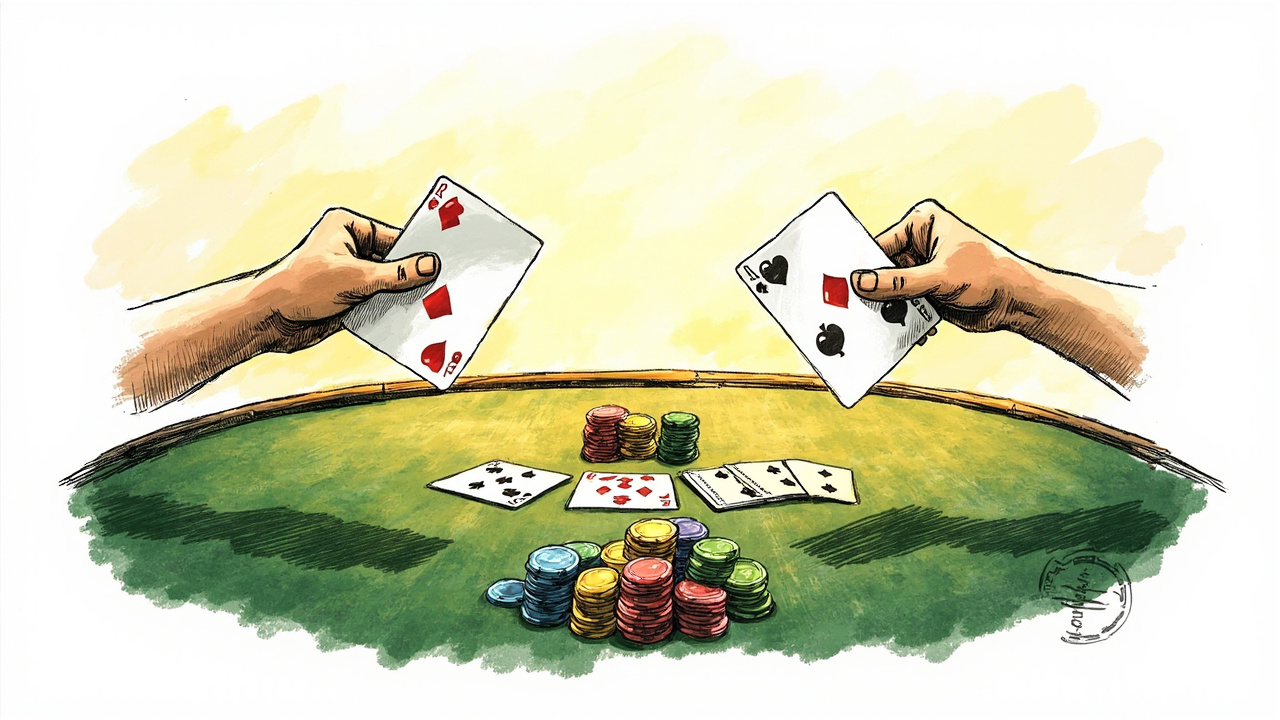
A decent practice lobby organises its catalogue by provider, volatility band and theme, which saves you hunting through hundreds of titles just to find a game worth a proper look. The demo sessions run on the same base reel sets and paytables you would see for real money, but the returned percentages are usually shown as an informational figure rather than a live counter ticking in front of you. That distinction matters, because the published RTP is a long-run theoretical average, not a promise that any single free spin will mirror it. I have watched operators adjust lobby sorting over the years, and the clearest setups let you filter by provider first, then narrow by volatility, so you can line up a handful of similar games and compare their stated returns side by side. If the lobby buries that information behind generic tags or forces you to open every title manually, you are already working harder than the testing process should require.
Reading the Numbers Without Overreading Them
The smartest way to approach practice mode rtp testing is to treat it as a pattern check, not a scorecard. Run each candidate for a fixed block of spins, note the hit frequency and the size of any near-miss clusters, then move on rather than chasing a streak that feels off. A game with a published 96.2 per cent return can still deliver a dry run over a few hundred spins, and that is normal variance doing its work, not a broken engine. The operator side often argues that demo mode is purely for familiarity, and they are right that free play cannot replicate the pacing or pressure of a funded session, but players still get real value from confirming that a title’s rhythm matches their expectations before depositing. I have always reckoned the useful question is whether the game’s behaviour in practice matches the maths sheet, not whether a short demo somehow predicts a future win.
Where Regional Queensland Players Fit In
Players logging in from regional Queensland tend to sit on connections that are solid but not always uniform, so a practice session that runs cleanly on a desktop before you switch to mobile is a sensible habit rather than a luxury. A lobby that keeps the same game mix and search tools across devices means you can test a few titles at home, then pick up the same shortlist later without relearning the layout. I have seen plenty of lounges and community halls across the inland towns where a quick demo check on a laptop in the arvo saves a frustrating hunt on a phone later, and that kind of practical routine beats any marketing claim about convenience. If a site’s practice catalogue is thin or its search function drops titles depending on how you arrive, you are better off finding a lobby that keeps its catalogue consistent and its filters honest, because consistency is what makes the testing actually useful.
A Few Things Worth Knowing Before You Start
A short glossary helps keep the jargon straight when you are comparing titles in the practice room.

- RTP – the theoretical percentage a game returns to players over a very long run of plays, set in the game maths rather than decided session by session.
- Volatility – how often and how hard a game tends to pay, with low volatility giving smaller frequent hits and high volatility delivering rarer larger swings.
- Demo play – free sessions using the same base game logic as the real-money version, with no actual wagering or cash outcome.
- Hit frequency – how regularly a spin produces any kind of winning combination, useful for judging pace rather than profit. heaps of wins no deposit
When you have narrowed the list to a few titles that match your preferred pace and volatility, the practice work has done its job. The next step is simply choosing where you are comfortable playing for real, reading the terms that apply to any offer, and starting small enough that a rough run does not knock you off course. I have always preferred sites that make their game details easy to find and their terms easy to read, because clarity in the lobby usually signals clarity elsewhere, and clarity is what lets a player make a sensible call instead of a rushed one.